.png?width=301&height=136&name=MICA%20Controls%20no%20background%20(301%20x%20136%20px).png "MICA Controls no background (301 x 136 px)")
Why Bidding HIPPS with Valves Is Costing You More Than You Think
TL;DR: EPCs and end users that go to tender for a HIPPS package before completing front-end engineering work consistently overpay or buy the wrong valves. Because valves represent up to 75% of HIPPS cost in SAGD and gas processing applications and carry the longest delivery lead time, specifying them without first defining process safety time and process fluid details is one of the most expensive mistakes in HIPPS procurement.
There's a pattern MICA Controls sees again and again. An EPC or end user identifies that a project needs a High Integrity Pressure Protection System (HIPPS). Pressure mounts to get long-lead items on order fast. So the EPC/end user goes to bid — valves included — before the engineering work has been done to know what valves are actually needed. The result is either a wildly inflated bid price or, worse, the wrong valves delivered to site.
Both outcomes are avoidable. And both trace back to the same root cause: going out to bid before the foundational data exists to support the purchase.
Valve specification for a HIPPS isn't like spec'ing a standard isolation valve. The final elements in a HIPPS must meet specific SIL (Safety Integrity Level) requirements, which means they need to be selected based on quantified failure data, confirmed through a SIL verification, and validated against a defined process safety time.
Two pieces of information are foundational to getting this right:
- Detailed process fluid data — composition, temperature, pressure, flow characteristics. This determines material selection, shutoff class, actuation requirements, and whether accessories like venting equipment or boosters are needed.
- Process safety time — the maximum allowable time between the onset of an overpressure event and the valve reaching full closure. This directly governs stroke time requirements, which in turn dictates actuator sizing, spring sizing, and the accessory stack.
Without both of these, a valve bid is essentially a guess. The bidder fills in the blanks themselves—and they'll fill them in conservatively, which means you'll pay for margin you may not need, or get equipment that doesn't fit the actual application.
The Real Cost of Ordering Valves Too Early
Valves are the longest-lead item in a HIPPS package. That's precisely why there's so much pressure to order them early—project schedules are built around lead times, and procurement teams don't want valves sitting on the critical path.
That logic makes sense. But it only holds if the valves you order are the right ones.
On one project, we were engaged by an energy company to design their HIPPS system. Their EPC had already moved ahead and purchased valves before we came on board. Once we completed the process safety work—HAZOP, LOPA, process safety time definition, SIL verification—it became clear the valves that had been procured weren't suitable. The project didn't save time by ordering early. It lost it. The clock essentially reset, and the client had to go back to valve procurement with the correct specifications in hand.
This isn't a rare story. In our experience, the valves selected on the first attempt are often not suitable. The engineering work that defines what you need has to happen before the purchase—not after.
In a typical SAGD (Steam-Assisted Gravity Drainage) and gas processing project, valves account for 75% of the total HIPPS cost. That's not a number to treat loosely. Getting that line item wrong doesn't mean a minor adjustment—it means a substantial re-spend on the highest-cost, longest-lead component in the system.
What the Right HIPPS Procurement Process Looks Like
The approach we've moved toward, and what our long-term clients now follow, is a phased Front-End Engineering Design (FEED) study before any valve procurement begins.
In Phase 1, we work directly with the EPC and end user to:
- Define the process safety time based on the actual process conditions
- Review all process fluid details and their implications for valve selection
- Identify suitable valve manufacturers and determine which accessories are required
- Conduct or support the HAZOP and LOPA
- Complete SIL verification on the valve candidates the client wants to consider
Only after that work is complete does the end user or EPC go out to buy valves.
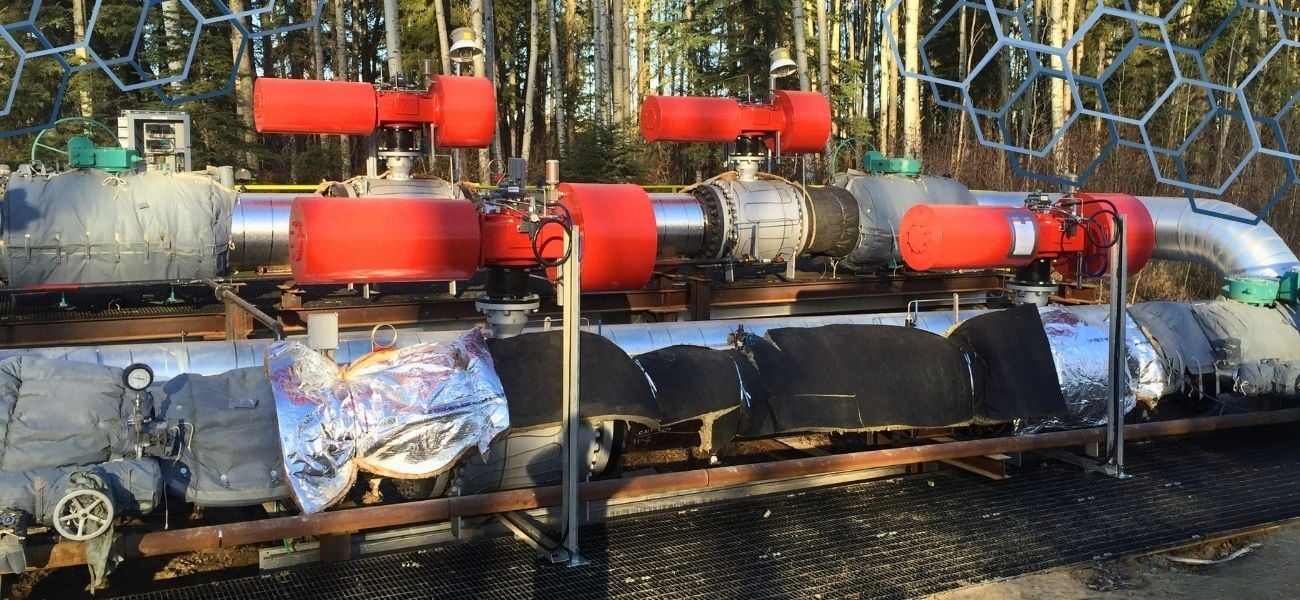
We're not a valve supplier. We're not trying to be. But, we are a subject matter specialist. The valve itself is also far more complex than it appears on a datasheet. Specifying a HIPPS valve correctly means defining not just the valve body and actuator, but every accessory that determines whether it will actually perform the safety function: the solenoid, the booster, the venting equipment, the speed control valves, and the actuator configuration. Many valve vendors are not HIPPS specialists. They will supply a valve body that meets a general pressure rating and an actuator that moves it — but if the accessories aren't specified correctly, the valve can fail the HIPPS function even while meeting every line item on a standard spec sheet. What we are is the team that tells you exactly which valve to buy, from whom, and with what accessories, so that when procurement places that order, it's the right order.
On another large set of projects, we were brought in early enough to do exactly this. The client paused valve procurement, we worked through the functional safety process together, and by the time valves were ordered, the specification was solid. No rework. No late-project surprises.
The Right Sequence for Structuring a HIPPS Purchase
The procurement approach that consistently delivers the right result follows this sequence:
- Engage a HIPPS specialist early — before going to tender for equipment
- Complete the functional safety work first — HAZOP, LOPA, process safety time analysis
- Perform SIL verification on candidate valve options
- Specify all valve components completely — body, actuator, solenoid, booster, venting, speed control valves
- Then go to market for valves, with the EPC/end user purchasing directly from vendors against a complete specification
MICA Controls can enter this process as a subject matter expert (SME) embedded within the EPC's/end users scope and billed out for just the relevant portion of work. This model is straightforward to integrate into an existing project structure and doesn't require restructuring how the EPC operates. It just inserts the right expertise at the right point in the sequence.
Stop Paying for Mistakes You Can Avoid
The valve procurement problem in HIPPS projects is fixable. It just requires reordering the sequence: engineering before procurement, not procurement before engineering.
Engage a HIPPS specialist early. Do the functional safety work first. Then buy valves—once, correctly, with a specification you can stand behind.
If you're planning a HIPPS project or have been handed one with valve procurement already in motion, reach out to MICA Controls. We've untangled both situations before.
Ready to get the specification right from the start? Contact MICA Controls to discuss a phased FEED study for your next HIPPS project.
